The alarm clock felt like an assault after a week of waking up naturally at Disney World. As I stumbled toward the coffee maker, my mind already racing with thoughts of the pile of paperwork waiting on my desk, I realized something profound: this moment of transition was recovery in action.
After almost eight years of sobriety, I’ve learned that recovery isn’t just about not drinking. It’s about learning to navigate life’s constant changes with grace, acceptance, and the tools that keep me grounded. Coming back from our family vacation to Disney World last week reminded me that every transition—whether it’s returning to work after time away or facing the bigger upheavals life throws at us—is an opportunity to practice what recovery has taught me.
The Magic of Presence
Disney World has always been our happy place. My wife, son, dog, and I have a tradition there that mirrors what I’ve learned in recovery: we keep it simple. We don’t race from ride to ride, cramming in every experience possible. Instead, we savor the moments—the look on my son’s face during Spaceship Earth, the way my wife laughs at the corny jokes on the Jungle Cruise, even the simple pleasure of sharing a Dole Whip in the Florida heat.
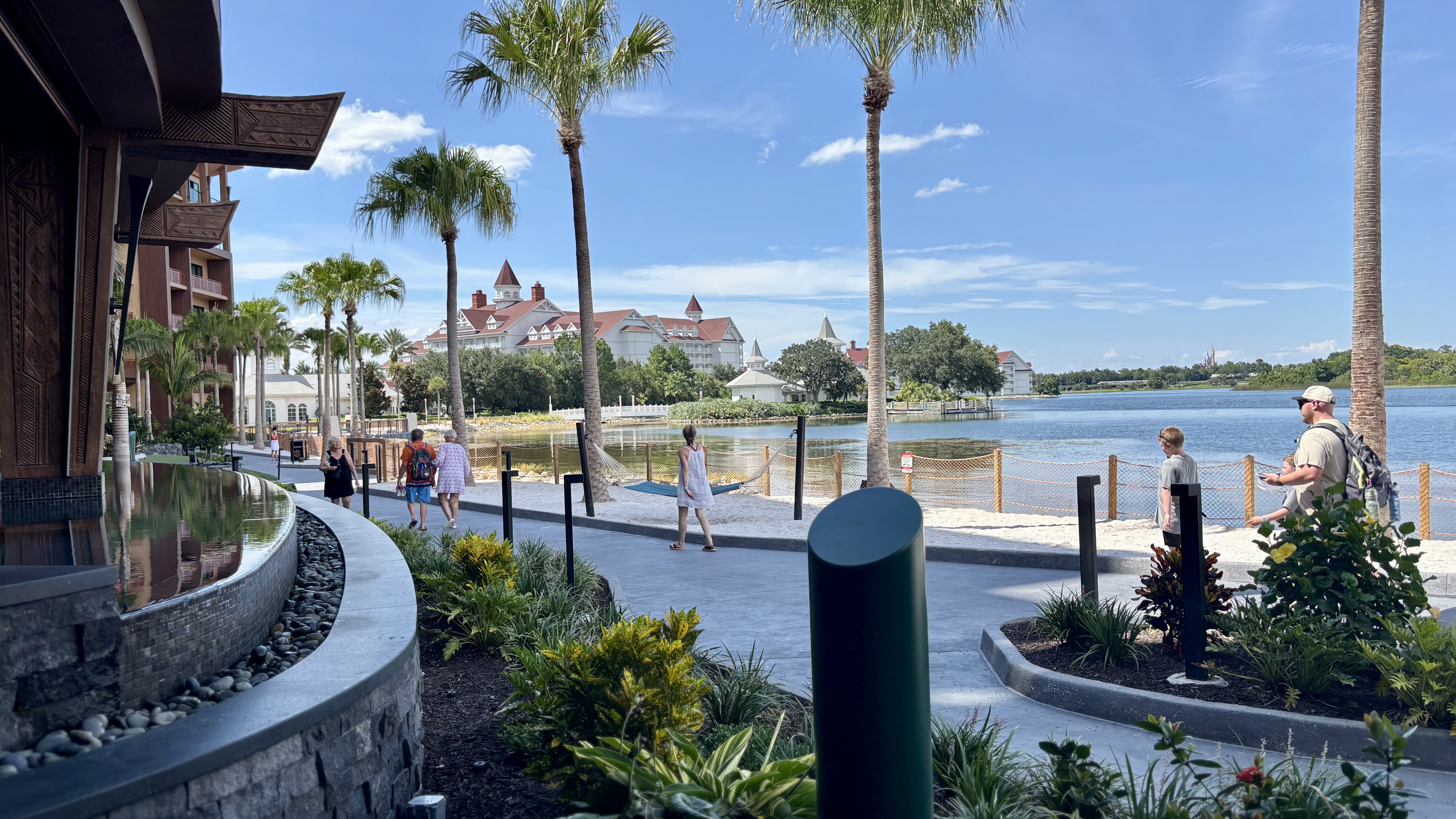
This approach to vacation reflects something my sponsor taught me early in recovery: be present. During those seven days, I maintained my morning routine of prayer and reflection, rising before my family to center myself for the day ahead. I spoke with my sponsor regularly, not because I was struggling, but because these daily practices are what keep me grounded whether I’m at home or at the Most Magical Place on Earth.
Being present during vacation was easy. The challenge came when I had to bring that same presence back to my desk at the mobile home dealership where I work as a sales processor.
The Reality Check
Walking into the office after a week away felt like stepping into a different world. The stack of correspondence from customers, lenders, permit offices, and contractors seemed to mock my vacation-relaxed state. New deals had come in while I was gone, old deals needed attention, and the familiar weight of deadlines and responsibilities settled back onto my shoulders.
For a moment, I felt that old familiar anxiety creeping in—the same unease I used to drown in alcohol. But recovery has taught me something valuable: I can only worry about what’s in front of me right now. Just like in early sobriety, when the idea of “never drinking again” felt impossible, the key was to focus on today, this moment, this single task.
I picked up the first file and got started. Keep it simple, as we say in the rooms.
The Parallel Path
The more I thought about it, the more I realized how similar this transition was to other changes I’ve navigated in recovery. When I got sober, I went through a divorce and stopped seeing my children as often. I lost most of my friends—the ones whose primary connection to me was through drinking. Each of these changes required the same approach I was using with that stack of work: acceptance, presence, and taking it one step at a time.
My relationship with uncertainty has evolved dramatically over these eight years. I know it sounds cliche, but nothing is set in stone. We can be here one moment and gone the next. This reality used to terrify me, driving me to drink to numb the fear of life’s unpredictability. Now, it’s become a source of freedom. If nothing is permanent, then neither are the hard times. If change is inevitable, then I might as well learn to dance with it.
The Daily Practice
What struck me most about returning to work was how my recovery tools automatically kicked in. The same principles that help me stay sober—daily prayer, humility, regular check-ins with my sponsor, and weekly AA meetings—became my compass for navigating the transition back to routine.
The humility part was crucial. I had to accept that I wasn’t going to catch up on everything in one day. I had to ask for help when I needed it. I had to admit that the vacation hangover was real and that it was okay to feel off-balance for a bit. In recovery, we learn that admitting powerlessness isn’t defeat—it’s the beginning of real strength.
By day two, I was back in the groove, processing deals with the same efficiency I’d had before vacation. But the real victory wasn’t in getting caught up on work. It was in recognizing that I’d navigated another life transition using the tools recovery had given me.
Always Ready for Change
What I really learned from this experience is that recovery has prepared me to accept change as a constant companion rather than an enemy to be feared. Whether it’s coming back from vacation, dealing with divorce, losing friends, or facing any of life’s inevitable transitions, the same principles apply: stay present, keep it simple, and trust the process.
Every morning when I wake up, whether it’s in a Disney resort or in my own bed before another day of processing mobile home deals, I have a choice. I can approach the day with anxiety about what might go wrong, or I can approach it with the tools that have kept me sober for almost eight years.
Today, I choose presence over panic, simplicity over complexity, and acceptance over resistance. That’s the real magic—not the kind you find in theme parks, but the kind you build one day at a time, one change at a time, one moment of acceptance at a time.
And when the next transition comes—because it will—I’ll be ready.

















 Finding the Way